

Chores are more than just tasks; they are the building blocks of responsibility, confidence, and essential life skills for children. The real challenge for parents is knowing which chores are suitable at each stage, how to introduce them without resistance, and how to foster a genuine sense of contribution. This guide to age appropriate chores provides a clear, development-focused roadmap from toddlerhood through the teen years, helping you turn everyday household tasks into meaningful learning moments. Drawing from practical, real-world parenting strategies, you’ll discover how to create a balanced family routine where everyone plays an important role.
Before we jump into chore charts and color coded calendars, we need to talk about why this matters. In my experience, chores are less about a clean house and more about raising capable humans.
Motor skills and coordination grow through repetition. When a child wipes a table, pours water, or sorts socks, they strengthen fine and gross motor control (yes, even that wobbly spill counts as practice). According to the CDC, hands on tasks support early physical development.
Just as important is responsibility. Finishing a small job teaches accountability in a way lectures never will. A completed task says, “I can start and finish something.” That message builds self esteem.
I also believe life skills shouldn’t magically appear at eighteen. Cooking, cleaning, and organizing are learned slowly through age appropriate chores in the section once exactly as it is given.
Some argue kids should just focus on school. I disagree.
Toddlers and preschoolers live in the magical “I can help!” stage—a window when participation feels like play. At this age, children are eager to imitate and help. The goal is participation, not perfection. Frame chores as a fun activity you do together.
Focus: Simple, single-step tasks that they can complete quickly.
Appropriate Chores:, – Putting their toys away in a designated bin., – Placing their own dirty clothes in the hamper., – Wiping up small spills with a cloth., – Helping to feed a family pet (scooping food with guidance)., – Placing their book back on a low shelf.
When you invite them in, you build confidence. Completing small jobs gives them a sense of capability. That pride translates into independence, listening skills, and fewer power struggles over time.
Benefits you will notice:
- More cooperation during routines
- Growing responsibility and empathy
- Fine motor skill development through tasks
Some argue toddlers are too young and it slows you down. Fair point. But what’s five minutes now compared to self-sufficiency later?
Parenting Tip: Use songs and games to make cleanup time enjoyable. Praise the effort enthusiastically (“Wow, you are such a helper!”) rather than focusing on the result.
Early Elementary (Ages 5–7): Building Real Responsibility
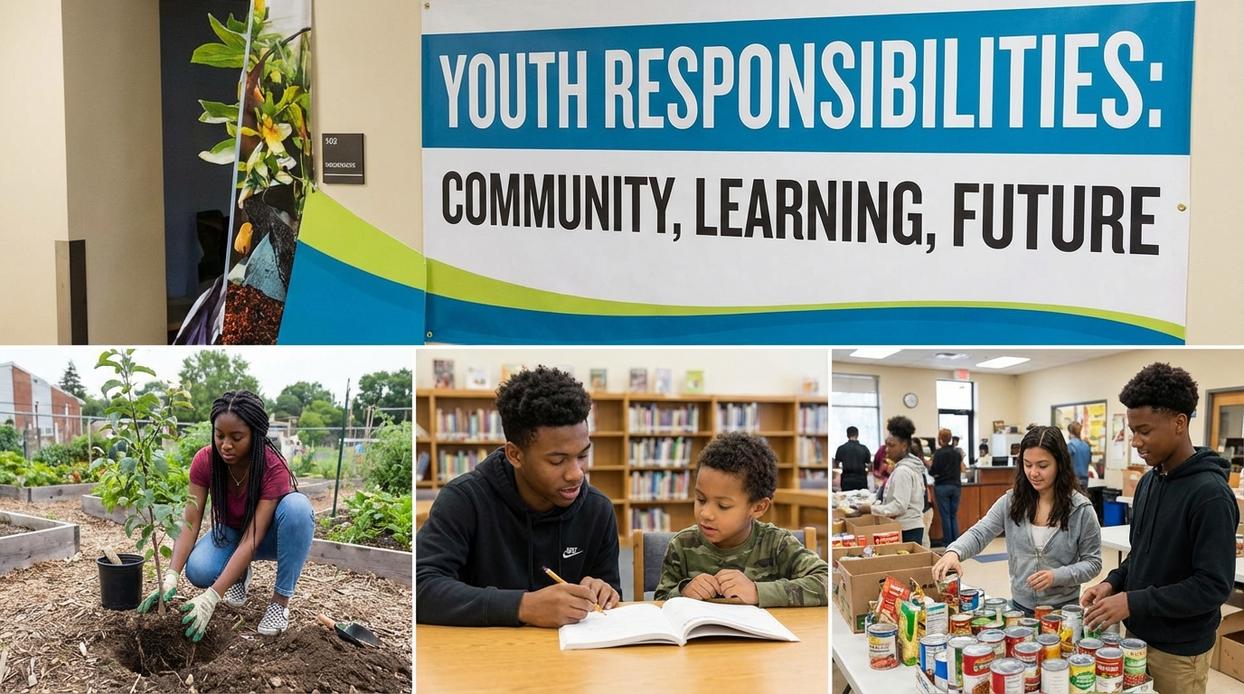
At ages 5–7, children are ready for what experts call multi-step tasks—activities that require completing more than one action in order (like clearing a plate, then placing it in the sink). This stage is about building real responsibility, meaning your child understands that their actions help the whole family function.
In other words, chores aren’t random busywork. They’re contributions.
Appropriate Chores:, – Making their bed each morning (it won’t be perfect)., – Setting the table for dinner (placing napkins and silverware)., – Clearing their own plate after meals., – Watering indoor plants., – Sorting laundry into light and dark piles., – Helping to put away groceries.
You might wonder: isn’t this too much too soon? Some parents worry chores will overwhelm young kids. However, research from the American Academy of Pediatrics shows that age-appropriate responsibilities build confidence and independence over time (AAP, 2020).
That said, “independence” doesn’t mean zero guidance. First, demonstrate the task. Then, do it together. Finally, let them try solo (expect uneven beds and crooked napkins—it’s part of the charm).
A visual chore chart with stickers adds structure and motivation. Pro tip: keep instructions short and consistent.
And if resistance pops up, revisit strategies like how to handle toddler tantrums calmly and confidently to keep routines steady.
Mastering Skills & Contributing
I still remember the first time my nine-year-old insisted on loading the dishwasher alone. I hovered nearby, of course. However, when I saw the careful way the plates were stacked (mostly upright), I realized this stage is different. At ages 8–10, kids crave real responsibility—and they’re ready for it.
At this point, they can handle more detailed, multi-step tasks without constant supervision. In other words, they’re moving from “helper” to genuine contributor.
Appropriate Chores:, – Loading and unloading the dishwasher., – Taking the trash and recycling bins to the curb., – Preparing simple snacks for themselves (e.g., toast, yogurt)., – Helping with meal prep (washing vegetables, stirring ingredients)., – Walking the dog with supervision.
Meanwhile, this is also a perfect time to introduce allowance. For example, we separate “family citizen” chores from optional extra jobs that earn money. As a result, kids begin to understand responsibility and basic financial literacy—skills that last far beyond clean dishes.
Pre-Teens & Teens (Ages 11+): Developing True Life Skills
The focus now shifts dramatically toward independence. At this stage, chores aren’t busywork; they are rehearsals for adulthood. Teens benefit from full ownership of complex, multi-step processes that mirror real life.
Appropriate Chores:, – Doing their own laundry from start to finish., – Cooking a simple family meal one night a week., – Mowing the lawn or doing other yard work., – Changing their own bed linens., – Babysitting younger siblings (if trained and appropriate).
These tasks build functioning, management, and confidence—skills linked to success (Harvard Center on Developing Child).
Raising Capable Kids in a Collaborative Home
By matching chores to your child’s developmental stage, you transform a daily to-do list into a powerful curriculum for life. When you focus on age appropriate chores, you’re not just assigning tasks—you’re teaching responsibility, resilience, and teamwork in ways your child can truly handle.
You wanted practical ways to raise capable kids without constant nagging or overwhelm. The real pain point isn’t the messy house—it’s wondering if you’re doing enough to prepare them for the real world. The goal isn’t a spotless home; it’s raising a capable, confident, and responsible adult who knows how to contribute.
Start small. Choose one or two age appropriate chores this week, stay consistent, and celebrate effort. If you’re ready for calmer routines and more confident kids, explore our proven parenting tips and family systems—trusted by thousands of moms. Take the first step today and build a home where everyone thrives together.
 Community Engagement Manager
Sparklevana Jones is the kind of writer who genuinely cannot publish something without checking it twice. Maybe three times. They came to borode motherhood journeys through years of hands-on work rather than theory, which means the things they writes about — Borode Motherhood Journeys, among other areas — are things they has actually tested, questioned, and revised opinions on more than once.
That shows in the work. Sparklevana's pieces tend to go a level deeper than most. Not in a way that becomes unreadable, but in a way that makes you realize you'd been missing something important. They has a habit of finding the detail that everybody else glosses over and making it the center of the story — which sounds simple, but takes a rare combination of curiosity and patience to pull off consistently. The writing never feels rushed. It feels like someone who sat with the subject long enough to actually understand it.
Outside of specific topics, what Sparklevana cares about most is whether the reader walks away with something useful. Not impressed. Not entertained. Useful. That's a harder bar to clear than it sounds, and they clears it more often than not — which is why readers tend to remember Sparklevana's articles long after they've forgotten the headline.
Community Engagement Manager
Sparklevana Jones is the kind of writer who genuinely cannot publish something without checking it twice. Maybe three times. They came to borode motherhood journeys through years of hands-on work rather than theory, which means the things they writes about — Borode Motherhood Journeys, among other areas — are things they has actually tested, questioned, and revised opinions on more than once.
That shows in the work. Sparklevana's pieces tend to go a level deeper than most. Not in a way that becomes unreadable, but in a way that makes you realize you'd been missing something important. They has a habit of finding the detail that everybody else glosses over and making it the center of the story — which sounds simple, but takes a rare combination of curiosity and patience to pull off consistently. The writing never feels rushed. It feels like someone who sat with the subject long enough to actually understand it.
Outside of specific topics, what Sparklevana cares about most is whether the reader walks away with something useful. Not impressed. Not entertained. Useful. That's a harder bar to clear than it sounds, and they clears it more often than not — which is why readers tend to remember Sparklevana's articles long after they've forgotten the headline.