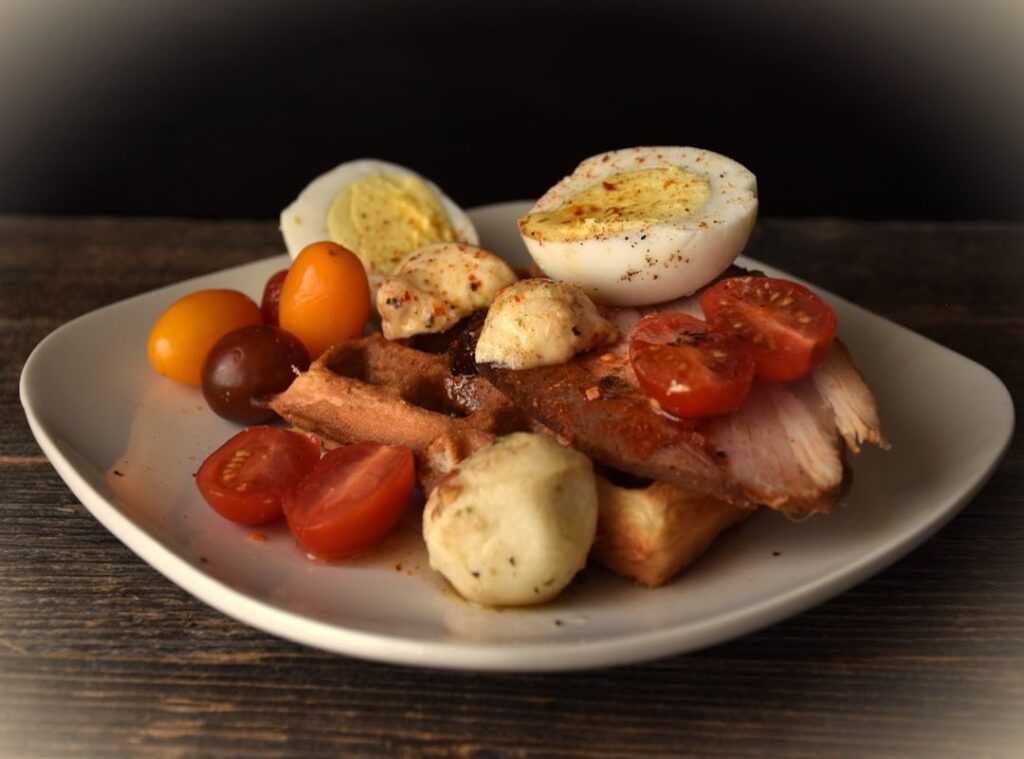

Keeping up with family life can feel like a full-time job on its own. Between school runs, work schedules, picky eaters, and the endless to-do list, many parents are searching for realistic ways to create calmer, healthier routines at home. If you’re looking for practical guidance on building better habits, simplifying your days, and making healthy meal planning for families actually doable, you’re in the right place.
This article is designed to meet that need head-on. We’ll walk through actionable parenting tips, simple wellness routines, and smart kitchen strategies that fit into real-life schedules—not idealized ones. Every recommendation is grounded in current family wellness research and insights from experienced parents who’ve tested these strategies in busy households.
By the end, you’ll have clear, manageable steps to reduce stress, nourish your family well, and create routines that support both your children’s growth and your own well-being.
Every evening, the same question echoes through the house: “What’s for dinner?” It’s the parenting version of Groundhog Day, minus Bill Murray’s charm. You want nourishing meals, not another drive-thru box, but time feels nonexistent. TAKE A BREATH. This guide offers a simple system for healthy meal planning for families that actually works. Think less chaos, more connection. We’ll cover:
• realistic weekly plans,
• picky-eater peace treaties,
• time-saving kitchen hacks.
Because dinner shouldn’t feel like a reality show meltdown. With practical, doable steps, you’ll trade stress for a daily ritual that nourishes body and soul. And builds memories.
The Foundation: Your 5-Step Meal Planning Blueprint
If dinner time feels like a daily episode of “What on earth are we eating?”—you’re not alone. The fix isn’t more willpower. It’s a repeatable weekly system. By creating a simple framework, you eliminate decision fatigue (the mental exhaustion from making too many choices) and reclaim time, money, and energy.
Step 1: Shop Your Kitchen First
Start with a five-minute audit of your pantry, fridge, and freezer. This quick inventory prevents duplicate purchases and reduces food waste (which the USDA estimates costs the average family over $1,500 per year). The benefit? Immediate savings and smarter meals built around what you already have.
Step 2: Create Themed Nights
Assign simple themes like Meatless Monday or Taco Tuesday. Suddenly, brainstorming shrinks from “anything possible” to one clear lane. Structure breeds creativity (and fewer 5 p.m. meltdowns).
Step 3: Build a Family Favorites Master List
Write down 10–15 meals everyone enjoys. This becomes your rotation. No more reinventing the wheel each week. Think of it as your greatest hits album—reliable, crowd-pleasing, no surprises.
Step 4: The Strategic Grocery List
Organize your list by store sections—produce, dairy, pantry. This cuts shopping time and reduces impulse buys (pro tip: never shop hungry).
Step 5: Schedule a Power Prep Hour
Spend one hour washing veggies, cooking grains, or marinating proteins. Weeknights become assembly instead of chaos.
That’s the magic of healthy meal planning for families: less stress, fewer expenses, and more calm around the table. And honestly, that’s a win everyone can taste.
Winning Over Picky Eaters: Strategies for Peaceful Plates
Feeding a picky eater can feel like negotiating a peace treaty (with someone half your height). You plan, you cook—and they reject it on sight. So what actually works?
First, involve kids in the planning. When children help choose one dinner theme each week, they gain ownership. Ownership builds investment (and fewer dramatic sighs at the table). This approach also supports healthy meal planning for families because you’re balancing preferences with nutrition instead of short-order cooking.
Next, try the “You Don’t Have to Eat It” rule. In other words, remove pressure. Serve meals family-style and include at least one “safe food”—a familiar item your child reliably eats. Research shows repeated, low-pressure exposure increases acceptance of new foods over time (American Academy of Pediatrics).
Then, deconstruct meals. Taco bars, grain bowls, pasta stations—when ingredients are separate, kids feel in control. Control reduces resistance (think DIY pizza night, not mystery casserole).
Also, pair new with familiar. A new vegetable beside macaroni and cheese feels less threatening than a fully unfamiliar plate.
What’s next? Consistency. Expect progress in weeks, not days. You might also explore routines that reduce mealtime stress, like mindfulness exercises the whole family can practice together to create calmer transitions to dinner.
Pro tip: celebrate small wins—one bite counts.
Smart Shortcuts: Time-Saving Hacks for Busy Parents

Between school runs and surprise science projects (why are they always due tomorrow?), time is the one thing parents never have enough of. So let’s make more of it.
Hack 1: Batch and Freeze. Cook once, eat twice. Double soups, chilis, or pasta sauces and freeze half for a future no-cook night. It’s like leaving a gift for your future self. And when Thursday chaos hits, you’ll be grateful.
Hack 2: Embrace “Component Cooking.” Prepare versatile staples—like shredded chicken, roasted veggies, or rice—in bulk. Then mix and match: tacos Monday, salads Tuesday, wraps Wednesday. This strategy simplifies healthy meal planning for families without locking you into repetitive dinners.
Hack 3: Master the One-Pan Meal. Sheet pan dinners mean less prep and fewer dishes. Toss protein and veggies with olive oil and seasoning, roast, and you’re done. Cleanup is minimal (and that alone feels like a win).
Hack 4: Create a “Snack Station.” Stock a drawer with pre-portioned snacks kids can grab themselves. Independence for them, fewer interruptions for you.
What’s next? Once dinners feel easier, consider theme nights or a rotating two-week menu to streamline groceries even more. Small systems compound—and suddenly, you’re buying back hours every week.
Beyond the Plate: Linking Nutrition to Family Harmony
Meal planning isn’t just about what’s on the fork; it’s about what’s happening around the table. Balanced meals with protein, fiber, and healthy fats help stabilize blood sugar—meaning fewer mood swings, steadier energy, and better focus at school (Harvard T.H. Chan School of Public Health). When kids eat well, they feel well—and everyone notices.
If you’re wondering where to start, focus on healthy meal planning for families with three simple steps:
- Include at least one fruit or vegetable per meal.
- Pair carbs with protein for longer-lasting energy.
- Sit together, screens off, even if it’s just 20 minutes.
The dinner table becomes a daily reset button—a space for eye contact, laughter, and small stories that turn into big memories. Modeling a positive, non-restrictive attitude toward food teaches kids that eating isn’t about guilt; it’s about nourishment and joy. Over time, those lessons stick longer than any lecture. Mealtime fuels bodies, yes—but more importantly, it strengthens connection.
Perfection was never the goal—progress and peace of mind are. When you approach healthy meal planning for families as a flexible rhythm rather than a rigid rulebook, everything shifts. Instead of chasing Pinterest-worthy plates, you build a simple system that lowers stress and steadily improves nutrition.
More importantly, these strategies focus on what others overlook: confidence. With small wins, kids gain familiarity with foods and parents reclaim calm in the kitchen (yes, even on soccer nights). So start small. Pick one idea—like themed dinners—and try it this week. Momentum begins there. Your future self will thank you for starting today.
Bringing Calm and Confidence Back to Your Family Table
You came here looking for practical, realistic ways to make family life healthier and less overwhelming. Now you have simple strategies you can actually use — from smarter grocery planning to consistent routines that support healthy meal planning for families without adding stress to your day.
The truth is, juggling meals, schedules, and everyone’s needs can feel exhausting. When dinner becomes chaotic or nutrition feels like a guessing game, it adds pressure to an already full plate. A clear plan removes that daily friction and gives you back time, energy, and peace of mind.
Start small. Choose one routine to implement this week. Prep one extra ingredient ahead of time. Build one balanced weekly menu. Small, consistent steps create lasting change.
If you’re ready to stop second-guessing meals and start feeling confident about what you’re serving, now is the time to act. Join thousands of moms who rely on our trusted, top-rated family wellness resources for simple systems that actually work. Explore our guides, download a practical meal plan, and take the stress out of family nutrition today.
 Community Engagement Manager
Sparklevana Jones is the kind of writer who genuinely cannot publish something without checking it twice. Maybe three times. They came to borode motherhood journeys through years of hands-on work rather than theory, which means the things they writes about — Borode Motherhood Journeys, among other areas — are things they has actually tested, questioned, and revised opinions on more than once.
That shows in the work. Sparklevana's pieces tend to go a level deeper than most. Not in a way that becomes unreadable, but in a way that makes you realize you'd been missing something important. They has a habit of finding the detail that everybody else glosses over and making it the center of the story — which sounds simple, but takes a rare combination of curiosity and patience to pull off consistently. The writing never feels rushed. It feels like someone who sat with the subject long enough to actually understand it.
Outside of specific topics, what Sparklevana cares about most is whether the reader walks away with something useful. Not impressed. Not entertained. Useful. That's a harder bar to clear than it sounds, and they clears it more often than not — which is why readers tend to remember Sparklevana's articles long after they've forgotten the headline.
Community Engagement Manager
Sparklevana Jones is the kind of writer who genuinely cannot publish something without checking it twice. Maybe three times. They came to borode motherhood journeys through years of hands-on work rather than theory, which means the things they writes about — Borode Motherhood Journeys, among other areas — are things they has actually tested, questioned, and revised opinions on more than once.
That shows in the work. Sparklevana's pieces tend to go a level deeper than most. Not in a way that becomes unreadable, but in a way that makes you realize you'd been missing something important. They has a habit of finding the detail that everybody else glosses over and making it the center of the story — which sounds simple, but takes a rare combination of curiosity and patience to pull off consistently. The writing never feels rushed. It feels like someone who sat with the subject long enough to actually understand it.
Outside of specific topics, what Sparklevana cares about most is whether the reader walks away with something useful. Not impressed. Not entertained. Useful. That's a harder bar to clear than it sounds, and they clears it more often than not — which is why readers tend to remember Sparklevana's articles long after they've forgotten the headline.