
If you’ve ever replayed a parenting decision at 2 a.m. or wondered whether you’re doing enough, you’re not alone. Parent guilt has a way of creeping into even the most loving homes, turning small doubts into heavy emotional weight. This guide is here to help you understand why that guilt shows up—and how to loosen its grip. Backed by psychology-informed insights and real-life experience, we’ll share practical, compassionate mom guilt coping strategies you can use today to feel calmer, more confident, and more present in your parenting journey.
Unpacking the “Why”: The Real Sources of Parenting Guilt
Parenting guilt can feel BIG and LOUD, but it usually comes from two places: internal and external pressures.
Internal pressure is rooted in your personal values—the standards you set for yourself. Maybe you believe a “good parent” is endlessly patient or always available. When your actions don’t match that belief, guilt shows up. (Even if your expectations were unrealistic to begin with.)
External pressure comes from outside voices: social media highlight reels, relatives’ comments, or cultural norms. The “ideal parent” myth—an impossible standard of being perfectly calm, present, organic-snack-serving, and career-balanced—feeds this. It’s a polished fantasy, not real life. Think sitcom mom energy without the laugh track.
Common guilt triggers include:
- Working vs. staying home
- Allowing screen time
- Losing your temper
- Not feeling “present” enough
These moments sting because they clash with your INTERNAL RULEBOOK.
Here’s the clarification: guilt is an emotional signal, not a verdict. It simply says, “This matters to you.” That’s not weakness—that’s care.
Using practical mom guilt coping strategies can help you pause, evaluate whether the guilt is helpful, and adjust if needed.
You can care deeply without living in constant self-criticism. Guilt can guide you—but it doesn’t get to run the house.
Mindful Reframing: Changing the Narrative in Your Head
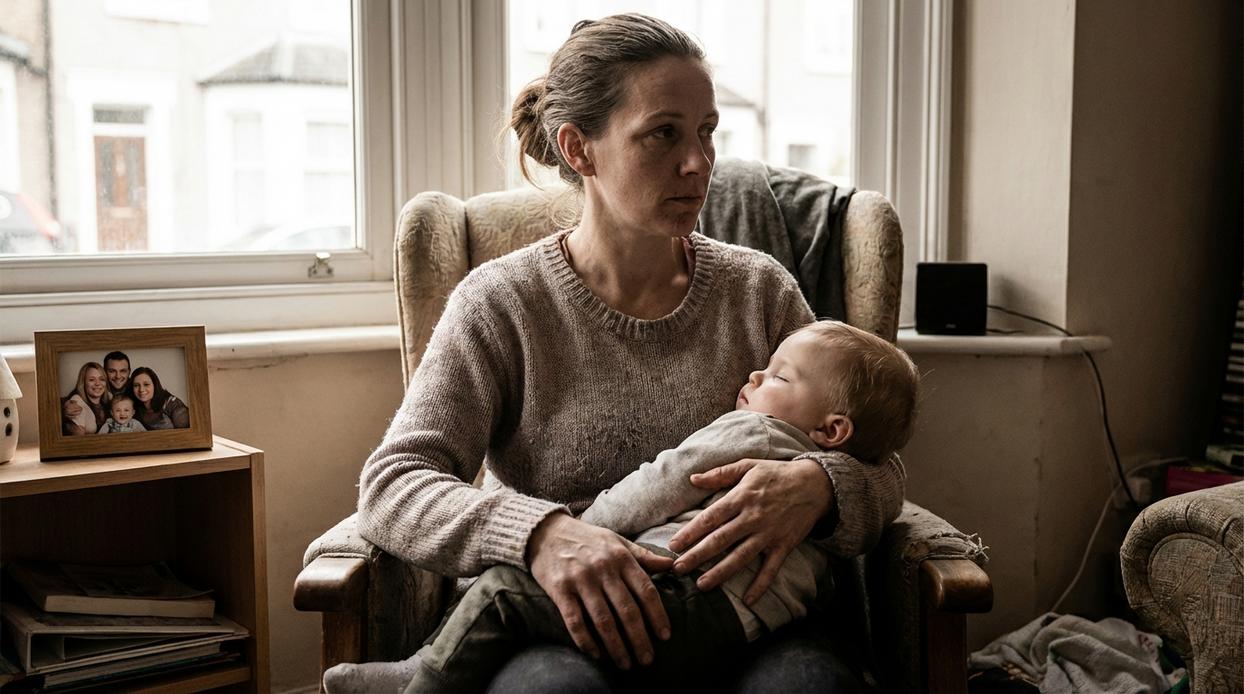
The story you tell yourself matters. In fact, cognitive reframing—a psychological technique that helps you reinterpret negative thoughts—has been shown to reduce stress and anxiety (American Psychological Association). Yet many parenting resources stop at “think positive.” That’s not enough. Let’s go deeper.
-
From “I Should” to “I Chose”
First, notice the word should. It signals guilt. Instead of “I should have stayed home,” try “I chose to go to work to provide for my family.” This subtle shift restores agency. You’re not a passive victim of obligation—you’re an active decision-maker. (Language shapes perception more than we realize.) -
Fact vs. Feeling
Next, separate emotion from evidence. “I feel like a bad mom” is a feeling, not a fact. What are the facts? Did you feed, protect, and respond to your child today? Feelings deserve validation—but they aren’t verdicts. Pro tip: Write feelings in one column, facts in another. The visual contrast is powerful. -
Practice Self-Compassion
Now ask: Would I say this to a friend? Research by Dr. Kristin Neff shows self-compassion improves resilience and lowers parental burnout. Speak to yourself with the same warmth you offer others. (Yes, even on the cereal-for-dinner nights.) -
The “Good Enough” Principle
Finally, embrace the “good enough” parent, a term coined by pediatrician Donald Winnicott. Children don’t need perfection; they need consistent love and responsiveness. Striving for flawless parenting often backfires.
These practical mom guilt coping strategies aren’t about ignoring mistakes. Rather, they help you respond with clarity instead of shame—and that shift changes everything.
Practical Steps to Lighten the Load
Ever feel like no matter how much you do, it’s never enough? Like there’s always one more snack to prep, one more email to answer, one more craft you should have done? Let’s make this lighter.
Action 1: Create a “Guilt-Free” Zone
What if you decided that 15 minutes of device-free play or reading one bedtime story was non-negotiable—and everything else was flexible? A guilt-free zone is a protected pocket of connection you commit to daily. Outside of it, you release the pressure. (Yes, even if dinner is frozen pizza.) Quality beats quantity—research consistently shows responsive, focused interaction matters more than total hours logged (Harvard Center on the Developing Child).
Action 2: Curate Your Social Media Feed
Does scrolling leave you inspired—or inadequate? Unfollow accounts that spark comparison. Follow voices that normalize messy kitchens and real emotions. Social comparison theory suggests we measure ourselves against what we see (Festinger, 1954). Change what you see, change what you measure.
Action 3: Start a “Done” List
Instead of a to-do list, try a done list.
- Packed lunches
- Sent that doctor’s email
- Hugged your child after a meltdown
Small wins count. (They always did.) This simple shift is one of the most underrated mom guilt coping strategies.
Action 4: Schedule “You” Time
If you ran on 2% battery all day, would you expect peak performance? A 10-minute walk. A podcast. Silent coffee. Self-care builds resilience (APA). Pro tip: Put it on the calendar like an appointment.
Need deeper connection beyond your own four walls? Read more about how community support shapes the motherhood journey and ask yourself—who’s in your corner?
When guilt shows up, pause. Sometimes it’s productive guilt—a signal that a value was crossed. If you yelled too much, that discomfort points to repair. Unproductive guilt, however, feels like free‑floating anxiety; nothing specific happened, yet you feel like a “bad mom” (hello, 3 a.m. spiral).
So what next?
Try this repair ritual:
- Acknowledge what happened.
- Apologize sincerely.
- State how you’ll do better next time.
This models emotional regulation.
Looking ahead, I suspect more parents will treat guilt as data, not failure—building mom guilt coping strategies into daily routines. That shift could change family dynamics for good.
Embracing Imperfection on Your Parenting Journey
You came here looking for relief from the weight of constant self-doubt, and now you have practical tools to loosen its grip. With these mom guilt coping strategies, you can interrupt the cycle of self-criticism and choose a gentler, more empowering path.
Parenting was never meant to be perfect. The pressure to “do it all right” only fuels exhaustion and second-guessing. But when you embrace self-compassion and the “good enough” philosophy, you create space to parent with confidence and love instead of fear.
Start small. Choose one strategy from this guide and try it today. Let go of one piece of guilt—and feel the difference.