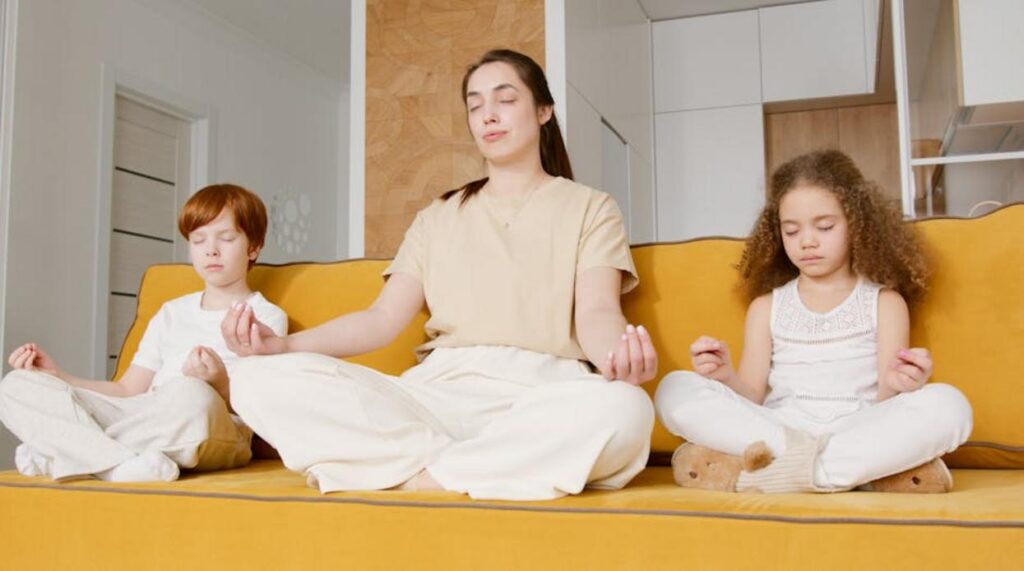
It’s 6 p.m. Homework is half-finished, dinner is still on the stove, and notifications keep buzzing while you’re trying to have a real conversation with your kids. Modern family life pulls everyone in different directions, leaving little room to truly connect. The result? Stress, short tempers, and days that feel rushed instead of meaningful. This guide introduces mindfulness for families as a simple, playful way to slow down and reconnect. You’ll discover why it works, explore age-appropriate activities, and learn practical ways to build a calming routine that actually fits into your busy schedule.
More Than Just Calm: The Real Benefits of a Mindful Family
Let’s be honest—parenting can feel like managing tiny hurricanes. The meltdowns over the wrong color cup. The homework battles. The slammed doors. It’s exhausting. That’s where mindfulness for families becomes more than a trendy phrase.
Emotional Regulation
Mindfulness teaches kids to notice feelings before they explode. Emotional regulation (the ability to manage and respond to emotions in a balanced way) helps children pause instead of panic. Fewer shouting matches. Fewer tears in the cereal aisle. Parents benefit too—responding thoughtfully instead of reacting on autopilot.
Improved Focus
Attention is like a muscle. Practicing short breathing exercises strengthens concentration, which often carries into schoolwork and chores. (Yes, even math homework.) Research from Harvard suggests mindfulness practices can improve attention and executive function in children.
Deeper Connection
Shared quiet moments create psychological safety—a space where kids feel heard, not hurried. That connection makes hard conversations easier.
Stress Reduction for Everyone
Instead of everyone spiraling separately, you build a shared toolkit:
- Deep breathing
- Body scans
- Naming emotions out loud
Building Lifelong Resilience
Resilience means adapting to stress and bouncing back. Mindfulness isn’t a quick fix. It’s practice for life’s bigger storms.
How to Start a Family Mindfulness Practice (Without the Fuss)
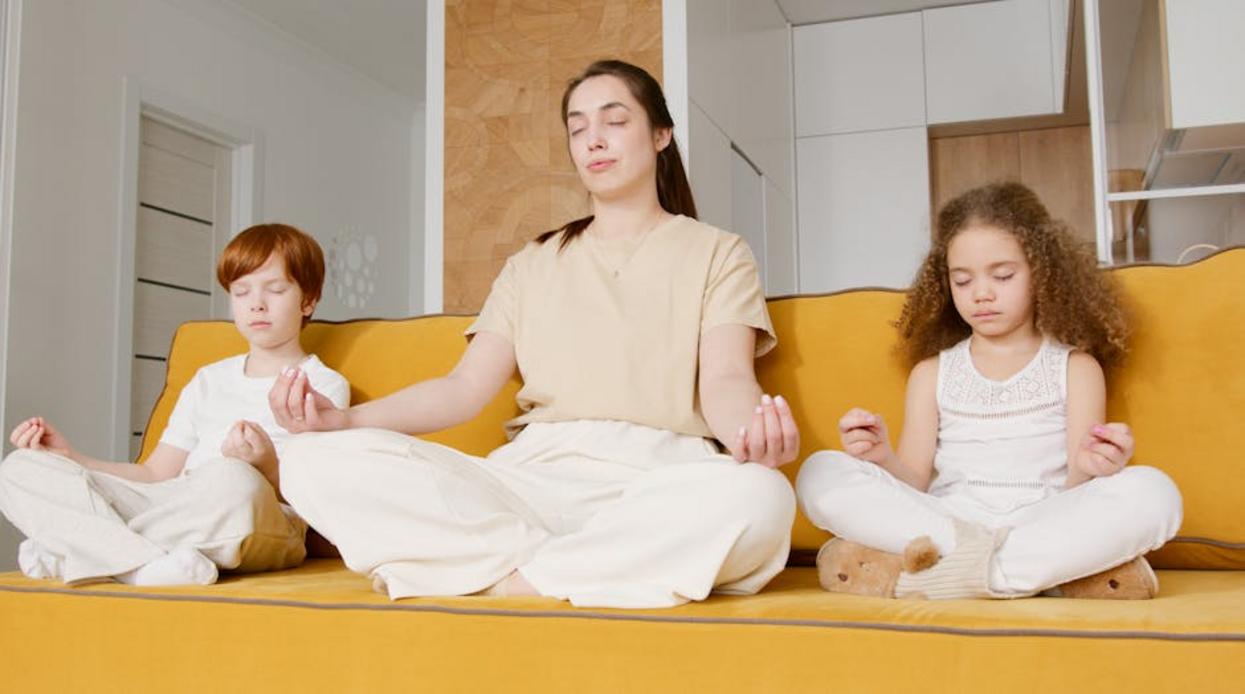
Starting something new as a family can feel like organizing a group project (with very tiny, very opinionated teammates). So first, start small. Aim for just 3–5 minutes a day. Research shows even brief mindfulness practices can reduce stress and improve focus (American Psychological Association). Three minutes is doable—even on a chaotic Tuesday.
Next, anchor it to a routine. For example, try a short breathing exercise right before bedtime or after dinner. When it’s tied to something you already do, it’s easier to remember.
You might also create a simple “cozy corner.” A few pillows or a blanket work perfectly—but don’t overthink it. The living room floor counts.
Just as importantly, lead by example. If you’re genuinely participating, your kids are more likely to follow (mirror neurons are real).
Finally, keep it playful and pressure-free. Invite, don’t force. Mindfulness for families works best when it feels like connection—not homework.
Mindfulness Activities for Every Age and Stage
Mindfulness gets tossed around a lot these days. Some people roll their eyes and picture silent retreats or perfectly cross‑legged toddlers (as if that’s ever realistic). But at its core, mindfulness simply means paying attention to the present moment on purpose and without judgment, a definition popularized by Dr. Jon Kabat-Zinn (American Psychological Association).
In my opinion, that’s not trendy fluff. That’s survival.
Families move fast. Between school runs, work emails, and dinner decisions, we’re often physically present but mentally somewhere else. And while some critics argue that kids are “naturally mindful” and don’t need structured practice, I disagree. Yes, children can be wonderfully absorbed in play—but they also feel stress, distraction, and overwhelm (Centers for Disease Control and Prevention notes rising stress levels among children and teens). They benefit from simple tools just as much as adults do.
Simple Mindfulness Practices by Age
Here’s how I think about it across stages:
-
Toddlers (Ages 2–4): Sensory Play Pauses
Ask them to describe how a toy feels, what they hear, or what color they see. This builds sensory awareness—the ability to tune into physical sensations. Keep it under two minutes (pro tip: stop before they lose interest). -
School-Age Kids: Breathing Buddies
Have them lie down with a stuffed animal on their belly and watch it rise and fall. This teaches breath regulation, which research shows can lower stress responses (Harvard Health Publishing). -
Teens: Mindful Journaling
Encourage short reflections on emotions without labeling them “good” or “bad.” Teens often resist anything that feels forced, so frame it as a performance hack for sports or exams. (Call it “mental reps” if that helps.) -
Parents: Micro-Moments
Take three slow breaths before responding to conflict. I firmly believe this tiny gap changes the emotional tone of a household.
Some skeptics argue there isn’t enough hard data to justify building routines around mindfulness. While long-term studies are ongoing, multiple reviews show improvements in emotional regulation and attention among children and adults (National Institutes of Health). That’s compelling enough for me.
And here’s the thing: mindfulness for families doesn’t require hour-long meditations. It can happen while cooking, folding laundry, or even planning meals together. In fact, combining routines with presence makes habits stick. Pair it with intentional systems like healthy meal planning strategies for household harmony so structure supports calm rather than chaos.
Ultimately, mindfulness isn’t about perfection. It’s about noticing. And in a world that constantly pulls at our attention, that feels quietly revolutionary.
Navigating Common Roadblocks
When kids get wiggly, remember it’s normal. Start by naming the moment: “Your body’s full of giggles!” (It’s not a mutiny.) Then gently reset with a 30-second breathing game.
If attention fades, switch gears. Try a quick stretch, one mindful minute, or let them choose the activity. Short bursts work best.
- For “I’m bored!” connect it to passions: superhero “Spidey-Sense” training or ninja focus.
- Missed a day? No big deal. Simply restart tomorrow. Consistency grows through mindfulness for families, not perfection.
Over time, these small resets build calm muscles everyone can rely on during busy school weeks.
Building Your Family’s Foundation, One Mindful Moment at a Time
When daily life feels overwhelming and chaotic, mindfulness for families becomes the steady antidote. These small, intentional practices build a lasting foundation of calm, connection, and trust your children will carry for years. This week, choose just one of these activities to try together and simply notice what happens.