
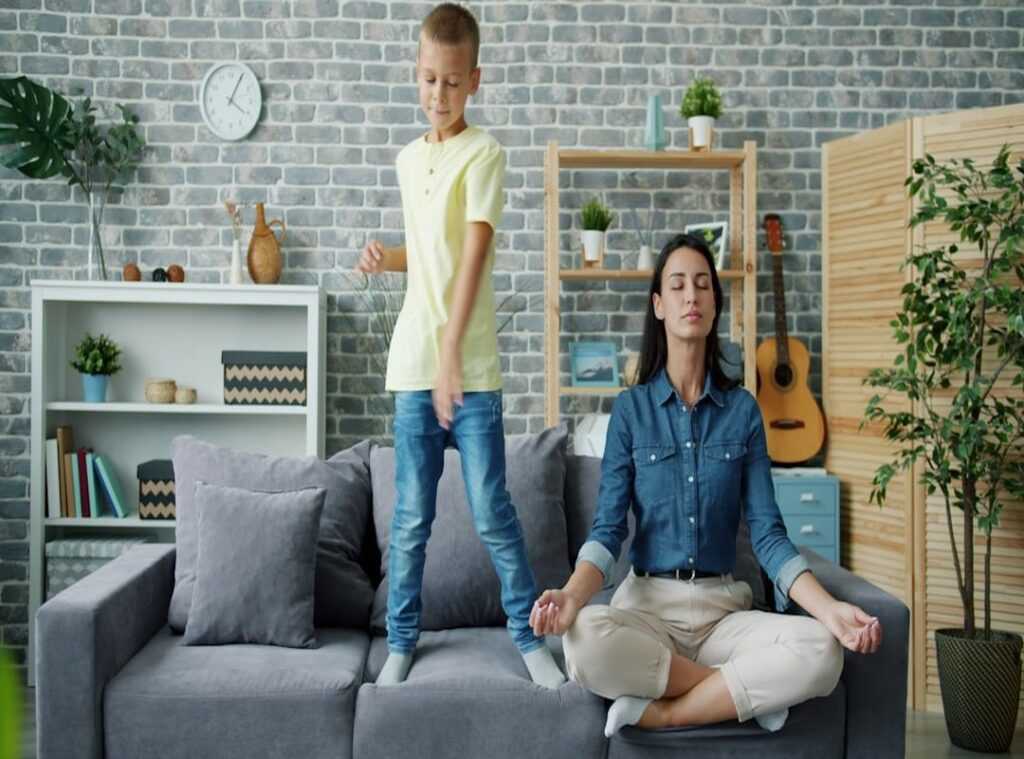
Ever feel like mornings with kids are pure chaos? You’re not alone. As parents, we’ve been there (trying) to get everyone out the door while staying sane.
Modern family life is a whirlwind, and finding peace seems impossible. But it doesn’t have to be. This article offers simple, practical, and fun solutions.
We’re diving into family meditation practices that fit right into your daily routine. No need to retreat into silence; we’re bringing calm to you. We’ve tried these techniques ourselves.
We’ve sifted through what works and what doesn’t, and we’re sharing what genuinely brings peace. By the end, you’ll have actionable strategies to try with your kids tonight. It’s time to find your family’s calm in the chaos.
Ready to start?
Family Mindfulness: It’s Not About Perfect Silence
Family mindfulness isn’t some mystical ritual where everyone sits cross-legged in silence. It’s much simpler. It’s about being present together, paying attention with kindness, and ditching the judgment.
Think of it as a way to connect during those chaotic days. But let’s clear up a big myth: family mindfulness is NOT about forcing kids to sit still or empty their minds. It’s certainly not another to-do list item you can fail at.
The benefits? They’re huge. Less reactivity means fewer meltdowns for everyone.
You get better emotional regulation and a stronger family bond. Picture it like this: it’s less like a formal dinner and more like a shared snack (a small, nourishing moment you grab when you can). You know what I mean?
If you’re curious about integrating a calming practice into your routine, check out this Calming Evening Routine Family guide. It fits right in with family meditation practices. Give it a try.
You might find that these moments together make all the difference. Why not start today?
No-Stress Mornings: 5-Minute Mindfulness
Mornings can be a circus, right? The rush, the chaos, and inevitably, the stress. But what if there’s a way to flip this script?
The key is family meditation practices that fit seamlessly into your routine. Think of these not as chores but as little moments of peace.
Let’s start with “Mindful Munching.” Picture this: your kid sits at the breakfast table, spoon in hand, eyes wide. Ask them to focus on their cereal for thirty seconds. What does it sound like?
A soft crackle or a quiet crunch? These tiny observations are solid. It’s about tuning into the moment.
And hey, it also buys you a bit of quiet.
Next up, “The Weather Report.” This isn’t checking your phone for rain. It’s about emotional weather. Ask your kids, “What’s your internal weather today?” Maybe they’re feeling sunny, cloudy, or a little stormy.
It’s a simple way to give them a vocabulary for their feelings without the pressure to explain everything. It’s surprising how much this can change the vibe for the day.
Finally, the “Listening Walk to the Car.” Turn the walk to the bus stop into a game. “Let’s be super-spies. On the count of three, we’ll be silent and count the sounds we hear.” It’s like a mini adventure. No special gear needed, just ears and imagination.
These practices create brief, positive connections. They’re not about perfection. They’re about presence.
Want more? Check out these mindfulness practices for children and families. Simple, right?
And often, the simplest things make the biggest difference.
Calming Bedtime Practices: Rest Easy Tonight
You know how bedtime can feel more like a battlefield than a peaceful retreat? I get it. But there are ways to turn the chaos into calm. to some family meditation practices that help everyone wind down together.
First up, the “Breathing Buddies” technique. It’s simple and fun. Have your kid lie down with a stuffed animal on their belly.
They watch it rise and fall as they breathe. It’s like magical breathwork for beginners.
Then there’s “Rose and Candle Breath.” Imagine smelling a lovely flower. Breathe in through the nose. Now, blow out a birthday candle.
Exhale through the mouth. Easy, right? This visualization trick is perfect for calming frayed nerves.
And let’s not forget “Goodnight, Toes.” It’s a guided body scan that works wonders. Start with the toes: wiggle, relax, say goodnight. Move up the body in the same manner.
It’s like a gentle wave of relaxation, washing away tension.
These aren’t just for the little ones. We adults can join in too. Why not make it a family ritual?
You might even find yourself more relaxed than you expected.
Oh, and while you’re at it, check out some daily exercise simple family workouts to keep the whole crew energized.
Bedtime doesn’t have to be a struggle. With a bit of practice, these techniques can transform your evenings. So, are you ready to trade the bedtime battle for a peaceful night?
Let’s make it happen.
Making Mindfulness Fun: Playful Activities for Any Time
Mindfulness doesn’t have to be a bore. Seriously, who wants to sit still and just breathe all the time? Kids certainly don’t. these playful activities come in handy.
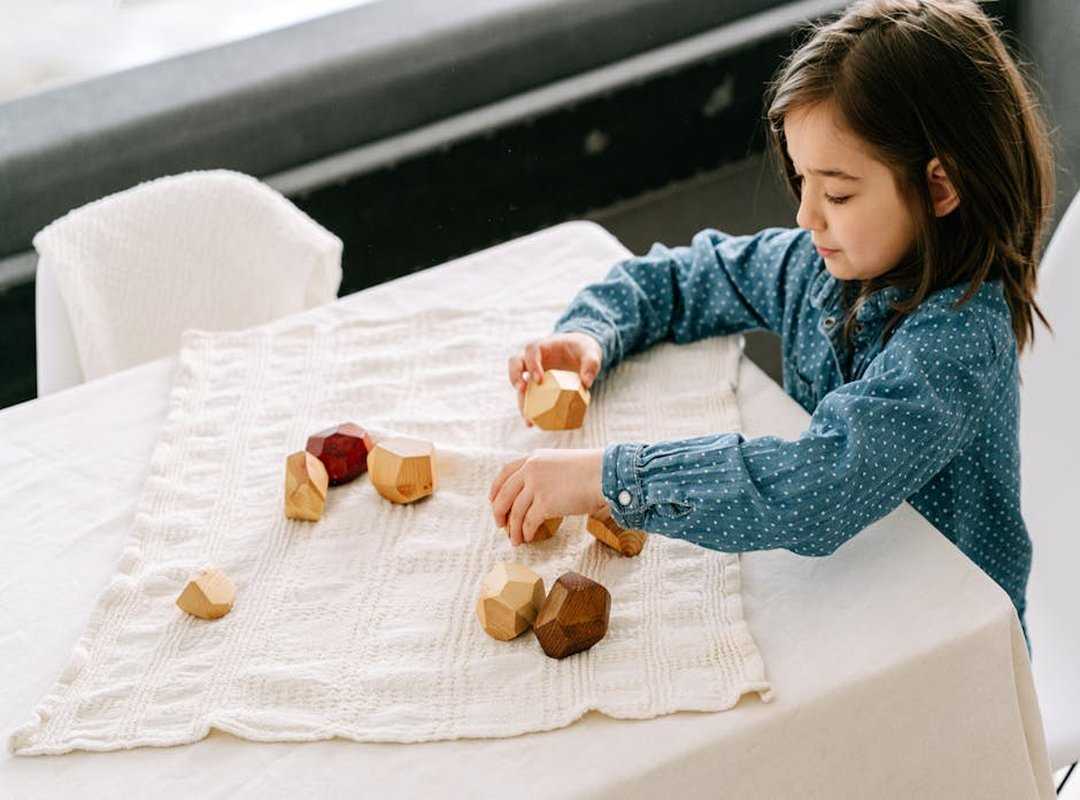
Activity 1: The Mindfulness Jar. It’s simple. You fill a jar with water and glitter, then seal it tight. Shake it up and watch the glitter swirl. As the glitter settles, it’s like watching a busy mind calm down. Isn’t that a neat visual?
Next up, Activity 2: Spidey Senses. Kids love superheroes, right? Let’s channel that. Ask them to activate their Spidey Senses by identifying one thing they can see, hear, and feel.
It’s like a real-life superhero game. Who doesn’t want to be a superhero?
Then there’s Activity 3: Mindful Posing. Try the “Starfish” pose (stretch out wide like a starfish) or the “Turtle” (tuck in like you’re hiding in a shell). These aren’t just fun poses. They help kids feel big and brave or safe and calm.
And let’s face it, who doesn’t want to feel like a superhero or a cozy turtle now and then?
Laughter and silliness are important parts of these practices. They make mindfulness feel less like a chore and more like playtime. It’s about making family meditation practices enjoyable, not a drag.
So, why not make mindfulness a game? When kids have fun, they’re more likely to stick with it. It’s as simple as that.
And who knows, you might even find yourself enjoying it too.
When Kids Won’t Sit Still: A Practical Guide
Ever tried getting a kid to sit still? It’s like asking a cat to fetch. It’s completely normal for kids to be wiggly. Mindfulness isn’t about being still.
Family meditation practices can help, though.
Here’s the deal. Start small. Aim for 30 seconds, not 10 minutes.
Seriously, who can sit for 10 minutes? Embrace the movement. Try a ‘Listening Walk’ or ‘Mindful Posing.’ They work.
Do it with them. Your involvement is the biggest motivator. And finally, praise the effort, not the ‘perfection.’ Because who’s perfect anyway?
These small changes can make a big difference.
Embrace a Calmer Family Life
Family life is beautiful chaos, isn’t it? But guess what? You’ve got this.
You now have a toolkit of simple, effective techniques to bring some calm. These small moments (shared attentively) build connection and resilience over time. Don’t stress about doing it all.
Just try one technique from our list. Maybe it’s time for some family meditation practices tonight. See what happens when you take that step.
You’ll be amazed at how a little mindfulness can transform your family’s changing. Ready to start? Dive in, and watch the magic unfold.
Your family deserves this peace.
 Parenting Content Director
Nicholas Beltaisers is the kind of writer who genuinely cannot publish something without checking it twice. Maybe three times. They came to borode motherhood journeys through years of hands-on work rather than theory, which means the things they writes about — Borode Motherhood Journeys, among other areas — are things they has actually tested, questioned, and revised opinions on more than once.
That shows in the work. Nicholas's pieces tend to go a level deeper than most. Not in a way that becomes unreadable, but in a way that makes you realize you'd been missing something important. They has a habit of finding the detail that everybody else glosses over and making it the center of the story — which sounds simple, but takes a rare combination of curiosity and patience to pull off consistently. The writing never feels rushed. It feels like someone who sat with the subject long enough to actually understand it.
Outside of specific topics, what Nicholas cares about most is whether the reader walks away with something useful. Not impressed. Not entertained. Useful. That's a harder bar to clear than it sounds, and they clears it more often than not — which is why readers tend to remember Nicholas's articles long after they've forgotten the headline.
Parenting Content Director
Nicholas Beltaisers is the kind of writer who genuinely cannot publish something without checking it twice. Maybe three times. They came to borode motherhood journeys through years of hands-on work rather than theory, which means the things they writes about — Borode Motherhood Journeys, among other areas — are things they has actually tested, questioned, and revised opinions on more than once.
That shows in the work. Nicholas's pieces tend to go a level deeper than most. Not in a way that becomes unreadable, but in a way that makes you realize you'd been missing something important. They has a habit of finding the detail that everybody else glosses over and making it the center of the story — which sounds simple, but takes a rare combination of curiosity and patience to pull off consistently. The writing never feels rushed. It feels like someone who sat with the subject long enough to actually understand it.
Outside of specific topics, what Nicholas cares about most is whether the reader walks away with something useful. Not impressed. Not entertained. Useful. That's a harder bar to clear than it sounds, and they clears it more often than not — which is why readers tend to remember Nicholas's articles long after they've forgotten the headline.