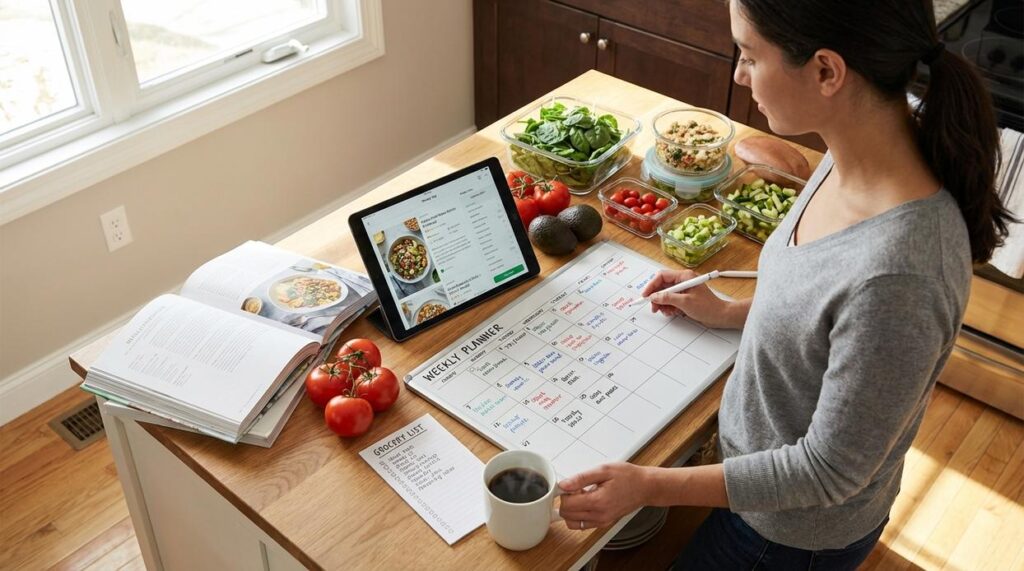
If you’re searching for realistic ways to make healthy family meal planning easier, you’re not alone. Between busy school mornings, work deadlines, picky eaters, and tight budgets, putting balanced meals on the table can feel overwhelming. This article is designed to simplify the process with practical, time-saving strategies that actually work for real families.
Inside, you’ll find actionable tips for organizing weekly meals, creating flexible grocery lists, reducing food waste, and building routines that support your family’s overall wellness. Whether you’re trying to add more nutrients to your kids’ plates or simply cut down on last-minute takeout, this guide will help you plan with confidence.
Our recommendations are grounded in established nutrition principles and family-focused wellness practices, carefully curated from trusted health resources and experienced parents. By the end, you’ll have a clear, manageable approach to planning meals that nourish your family without adding stress to your day.
Every day around 5 PM, the same question hits: what’s for dinner? The scramble is real. Between meetings, homework, and soccer practice, cooking something nutritious can feel impossible. Most advice says you need gourmet recipes or endless prep. I disagree. Complicated plans are why families quit. Instead, healthy family meal planning should be simple, repeatable, and a little boring (yes, boring works). Think taco night, sheet-pan chicken, leftover remix. With a clear, step-by-step system, you save time, cut costs, and lower stress—without resorting to drive-thru defaults. That consistency builds habits kids actually accept and parents sustain. Week after busy week.
The Foundation: 5 Golden Rules for Successful Meal Planning
Great meals don’t start at 5 p.m. They start with a simple framework—and the payoff is fewer meltdowns, healthier plates, and more peaceful evenings.
Rule 1: The Balanced Plate Formula. Aim for ½ vegetables, ¼ protein, and ¼ complex carbs, plus a small serving of healthy fats. For example, grilled chicken (protein), quinoa (complex carb), roasted broccoli (vegetable), and sliced avocado (healthy fat). This balance supports steady energy and fuller bellies (which means fewer “I’m still hungry” negotiations later).
Rule 2: Involve the Crew. Give kids two healthy choices—tacos or stir-fry—and let them decide. When children help choose, they’re more likely to eat. That buy-in alone makes healthy family meal planning smoother and less stressful.
Rule 3: Cook Once, Eat Twice. Batch-cook staples like grilled chicken or roasted veggies. Repurpose them into wraps, salads, or grain bowls. As a result, you save time and reduce weeknight overwhelm.
Rule 4: Create a Master List. Keep a running list of 15 family-approved meals. This eliminates decision fatigue and speeds up grocery shopping.
Rule 5: Embrace Simplicity. Not every dinner needs to rival a cooking show finale. Simple, repeatable meals build consistency—and consistency builds healthier families.
Your 7-Day Meal Plan Blueprint: A Step-by-Step Guide

If weeknights feel rushed and dinner decisions stressful, this simple system will help you reset. Think of it as your roadmap to healthy family meal planning—practical, flexible, and realistic for busy households.
1. Start with a ‘Shop Your Kitchen’ Audit
First, spend 10 minutes checking your pantry, fridge, and freezer. Look for ingredients that need to be used soon. That half-bag of rice or frozen veggies? They’re already paid for. This step reduces food waste (the average U.S. household wastes about 30–40% of its food supply, according to the USDA) and saves money.
2. Theme Your Nights
Next, assign simple themes to each day:
- Meatless Monday
- Taco Tuesday
- Pasta Wednesday
- Slow Cooker Thursday
- Pizza Friday
Themes reduce decision fatigue—the mental drain caused by too many choices (yes, it’s a real psychological concept). Suddenly, you’re choosing which tacos, not what’s for dinner.
3. Slot in Your Recipes
Now, plug specific meals into at least five nights. Leave one night for leftovers and one flexible option (because life happens).
4. Build a Smart Grocery List
Then, organize your list by store sections—produce, dairy, proteins, pantry. This saves time and prevents forgotten items.
5. Schedule a ‘Power Prep’ Hour
Finally, block one hour to chop veggies, cook grains, or marinate proteins. Pro tip: prepping just two ingredients ahead can cut weeknight cooking time in half.
Small steps, big payoff—and far fewer 5 p.m. dinner dilemmas.
I used to dread 5 p.m. In our house, that hour meant one kid refusing anything “green,” another begging for cereal, and me staring into the fridge like it might magically produce dinner. (It never did.)
Start with an anecdote about taco night gone wrong
One Tuesday, I tried tacos—and my picky eater declared the mixed filling “suspicious.” That’s when I discovered the deconstructed meal approach. Instead of assembling tacos, I laid out bowls: seasoned meat, beans, shredded lettuce, cheese, tortillas. Everyone built their own plate. A deconstructed meal simply means serving ingredients separately so kids control what goes on their plate. Research shows kids are more likely to try foods when they feel autonomy (American Academy of Pediatrics). Control matters.
For chaotic evenings, I keep a “Plan B” roster: 15-minute backup dinners like scrambled eggs and toast or quesadillas with pre-shredded cheese. (Pro tip: write five go-to meals on a sticky note inside a cabinet.)
Budget stress? Plan around seasonal produce and weekly sales flyers. Studies show meal planning reduces food waste and impulse spending (USDA). That’s the backbone of healthy family meal planning.
And boredom? Try one new, simple recipe every two weeks—just one. Small novelty keeps things fresh without overwhelm.
Better dinners even support routines like sleep hygiene tips for parents and kids. Because calmer nights start at the table.
Quick & Healthy Inspiration: Easy Meal Ideas for Every Night
It’s 5:37 p.m. You’re tired. The fridge looks “full,” yet somehow there’s nothing to eat. We’ve all been there—staring into the abyss, hoping dinner magically appears (it won’t).
Here’s the fix: simple meals with minimal cleanup and zero drama.
| Night Idea | What to Make | Why It Works |
|————|————–|————–|
| Sheet Pan Dinner | Sausage, broccoli, sweet potatoes | One pan. Less mess. |
| 30-Minute Pasta | Whole wheat pasta, turkey meatballs, marinara | Fast comfort food. |
| DIY Bowl Night | Brown rice, beans, avocado, chicken | Everyone builds their own. |
| Breakfast for Dinner | Whole-grain pancakes, eggs, fruit | Fun and filling. |
| Slow Cooker Saviors | Pulled pork or chicken | Cook once, use twice. |
Pro tip: Roast extra veggies for tomorrow’s lunch.
If healthy family meal planning feels overwhelming, start here. Keep ingredients versatile. Repeat favorites unapologetically. (Yes, tacos again.) Dinner doesn’t need to be gourmet—it just needs to get on the table without stealing your sanity.
You’ve seen how a structured approach can turn the nightly scramble into something calm and predictable. The stress of last-minute meal decisions doesn’t have to define your evenings. This works because it relies on preparation and simplicity, not on magically finding extra hours in an already full day. Start small and start this week. Plan just three dinners using healthy family meal planning principles, shop once, and prep ahead. Notice how the tone at the table shifts. Pro tip: repeat your most successful meal next week to build momentum. Consistency compounds faster than motivation ever will. Keep it simple. Tonight.
Bringing It All Together for Your Family
You came here looking for realistic ways to make family life smoother, healthier, and less overwhelming. Now you have practical strategies you can actually use — from creating simple routines to making healthy family meal planning a stress-free part of your week.
Because let’s be honest — the constant juggle of meals, schedules, and everyone’s needs can feel exhausting. When you don’t have a plan, it’s easy to fall into chaos, last-minute decisions, and guilt. But with the right systems in place, your home can feel calmer, your kids more supported, and your days more intentional.
The next step is simple: start small and stay consistent. Choose one routine to implement this week. Plan a few balanced meals ahead of time. Write it down. Stick it on the fridge. Build momentum from there.
Thousands of moms rely on our daily digests, practical tips, and proven family strategies to simplify their routines and feel more confident at home. If you’re ready to trade overwhelm for clarity and create a happier, healthier rhythm for your family, join us today and start transforming your everyday life — one simple habit at a time.