Motherhood looks different in every home, but the desire to raise healthy, happy, and resilient children is universal. If you’re searching for meaningful ways to strengthen your parenting approach while honoring cultural motherhood traditions, this article is designed to guide you. We’ll explore how time-tested practices, daily routines, and modern mom life strategies can work together to support your family’s well-being.
Many mothers feel overwhelmed trying to balance heritage, expectations, and the fast pace of modern life. Here, you’ll find practical insights that connect tradition with everyday functionality—so you can create routines that feel both rooted and realistic.
Our guidance draws from parenting research, family wellness principles, and lived maternal experiences across diverse communities. By blending expert-backed strategies with real-world application, this article offers clear, trustworthy advice you can confidently apply in your own home.
Beyond the Baby Shower: A Global Journey into Motherhood
Across continents, new mothers are wrapped in rituals designed to provide rest, nourishment, and community. For example, China’s ‘zuo yuezi’ encourages 30 days of postpartum rest, while in Mexico, the cuarentena offers forty days of supported recovery. These cultural motherhood traditions remind us healing isn’t a solo sport (even superheroes need a team).
To adapt this at home, first schedule a two-week support roster. Next, prep freezer meals or ask friends to organize a meal train. Finally, protect daily rest windows as non-negotiable appointments. In short, borrow what works. Leave guilt.
The Sacred Postpartum: Global Traditions of Rest and Recovery
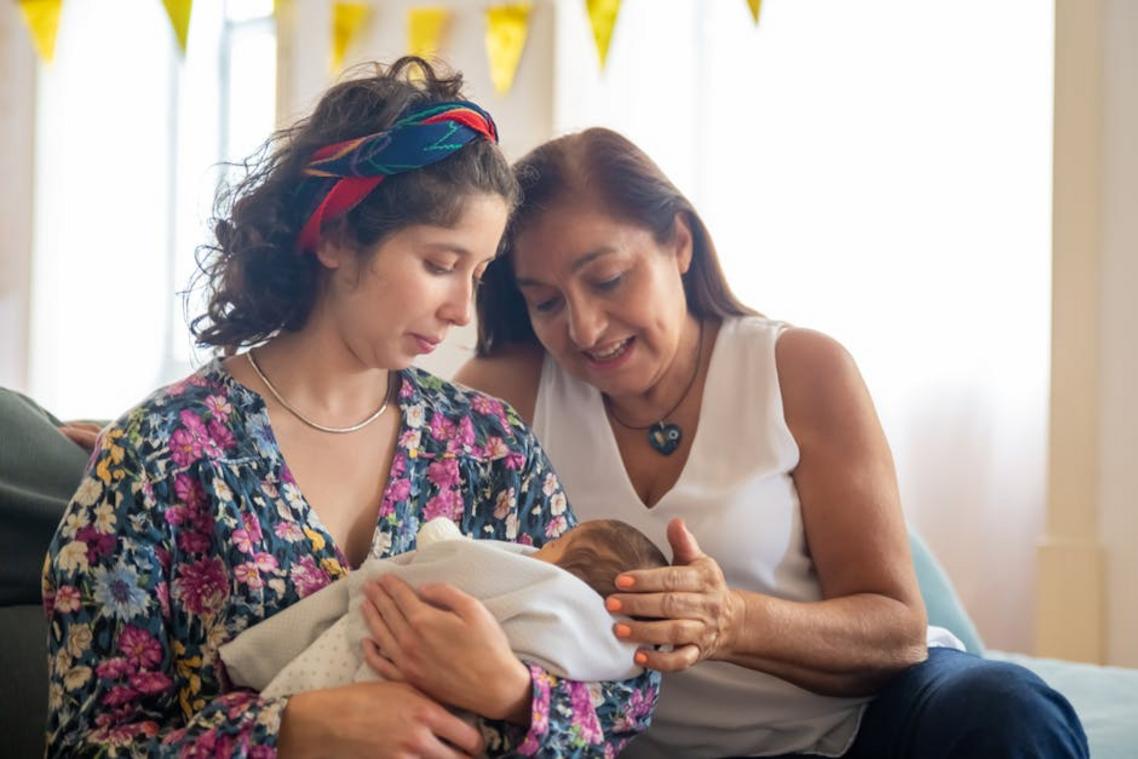
In many parts of Latin America, “La Cuarentena” honors a 40-day recovery period after birth. During this time, a mother stays mostly at home, eats warm foods like broths and stews, and is fully relieved from household chores. The idea is simple: childbirth is a major physical event, and the body needs intentional recovery. Protein-rich soups, iron-packed meals, and warm beverages are believed to restore strength and protect long-term health (World Health Organization notes that postpartum recovery can take six weeks or more). Personally, I think this boundary is BRILLIANT. Forty days of protection? That feels humane.
Across Asia, China’s “Sitting the Month,” or Zuo Yuezi, follows similar logic. New mothers avoid cold air, cold water, and even raw foods. Instead, they consume herbal soups designed to promote healing and lactation. Family members—or specialized confinement nurses—step in to manage cooking and baby care. Critics argue these restrictions are outdated. I disagree. While some rules may be flexible, the emphasis on REST is timeless.
These cultural motherhood traditions reflect what modern medicine confirms: childbirth affects hormones, muscles, sleep cycles, and emotional regulation (CDC highlights postpartum vulnerability to depression and fatigue).
At minimum, every new mother deserves:
- Nutrient-dense meals
- Protected bonding time
- Relief from daily labor
- Emotional reassurance
Fast-paced societies often glorify “bouncing back.” I believe that’s backwards. Healing isn’t laziness; it’s biology. And maybe we all need a reminder that slowing down after birth isn’t indulgent—it’s essential.
It Takes a Village: How Communities Embrace New Mothers
When people say “it takes a village,” they’re not being poetic. They’re describing a real support system where care for a newborn—and the mother—is shared.
The ‘Meal Train’ Evolved
First, let’s clarify a term many people haven’t heard before: Kraamzorg. In the Netherlands, this refers to a trained maternity nurse who comes into the home for the first 8–10 days after birth. She checks the baby’s health, monitors the mother’s recovery, assists with breastfeeding, and even helps with light household tasks. In other words, it’s medical care and practical support wrapped into one structured system. According to the Dutch government, kraamzorg is a standard part of postpartum care and is partially covered by insurance (Government of the Netherlands).
Some critics argue this level of support is a luxury. But consider the alternative: exhausted parents navigating feeding schedules at 3 a.m. with no guidance (not exactly a recipe for confidence).
In parts of West Africa, including among the Beng people of Côte d’Ivoire, babies are held almost constantly by different community members. This constant physical closeness—meaning near-continuous touch and carrying—gives mothers time to rest while weaving the child into the social fabric from day one. These cultural motherhood traditions normalize shared responsibility instead of isolation.
So what’s the modern takeaway?
Start small. Organize a meal schedule. Assign friends specific tasks—laundry on Tuesdays, grocery runs on Fridays. Join local parent groups to trade advice and reassurance. Pro tip: be explicit about what you need; people want to help but rarely guess correctly.
If guilt creeps in, reading overcoming mom guilt real stories and practical advice can reframe support as strength, not weakness.
After all, even superheroes had teams.
Ceremonies of Welcome: Naming and Introducing the Baby
A Sacred First Introduction
Across cultures, a baby’s arrival is marked not just by birth, but by belonging. In a Nigerian Naming Ceremony, especially within Yoruba communities, a child is named on the eighth day. Family elders gently touch the baby’s lips with symbolic tastes: water for purity, palm oil for a smooth life, and honey for sweetness. (Because who wouldn’t want a sweet destiny?) These gestures are prayers in physical form, teaching parents how to attach meaning to everyday elements.
In Hindu tradition, the Jatakarma ceremony—one of the first samskaras (rites of passage)—welcomes a newborn through whispered faith. The father softly speaks the name of God into the baby’s ear and offers a small taste of honey or ghee, symbolizing nourishment and wisdom.
The power of ritual lies in its structure. If you’re considering honoring cultural motherhood traditions, remember:
- Involve elders or mentors.
- Explain each symbol aloud.
- Document the story behind the name.
These steps formally weave a child into family and community, strengthening social bonds and identity. Even simple rituals create lifelong belonging. That sense of welcome shapes confidence for years ahead and resilience too.
Marking Milestones: First Foods and First Steps
Two cherished cultural motherhood traditions highlight growth with intention. Annaprashan marks a baby’s first taste of solid food, often sweet rice pudding, symbolizing nourishment and prosperity. Families gather, offer blessings, and introduce grains that support developmental readiness. Upsherin celebrates a boy’s first haircut at age three, signaling responsibility and learning. The timing reflects maturity milestones parents can anticipate.
| Tradition | Key Age | Benefit |
| Annaprashan | 6–8 months | Nutritional introduction |
| Upsherin | 3 years | Identity formation |
These rituals provide structure, community affirmation, and memorable photos (because grandparents will frame them). Pro tip: document feelings alongside milestones too.
Across continents, rituals differ, but the core needs of a new mother and baby—rest, nourishment, community, and celebration—are universal. Modern life often strips these away, leaving many women isolated, scrolling at 2 a.m. instead of being supported (and wondering why it feels so hard). Some argue old customs are outdated or impractical. Yet research shows social support reduces postpartum depression risk (CDC). You don’t need to replicate a ceremony exactly. Borrow principles and create your own:
- One weekly shared meal after birth
Talk with your partner today and choose one small tradition to begin. Start simple, start together now.
Embracing the Motherhood Journey with Confidence
Motherhood is layered, emotional, and deeply personal — and you came here looking for reassurance, clarity, and practical ways to make it all feel more manageable. Now you have simple routines, realistic strategies, and grounding reminders to support your daily rhythm.
The truth is, the overwhelm doesn’t come from loving your family — it comes from trying to do everything without support. Between busy schedules, emotional labor, and the pressure to honor cultural motherhood traditions, it’s easy to feel stretched thin.
You don’t have to navigate it alone.
Start small. Choose one routine to simplify this week. Try one wellness habit that supports you, not just everyone else. Build systems that make your home run smoother instead of harder.
If you’re ready for calmer mornings, stronger family connection, and motherhood that feels fulfilling instead of frantic, join thousands of moms who rely on our daily tips and practical life hacks. Get inspired, feel supported, and take back control of your routine today.