
Every morning feels like a race against the clock—shoes missing, backpacks half-packed, bedtime negotiations stretching longer than the story itself. If your family runs into the same struggles day after day, it’s easy to wonder what you’re doing wrong. But these patterns aren’t parenting failures—they’re automatic loops wired into your brains. The good news? Once you understand the neuroscience of routines, everything starts to make sense. This article breaks down the simple science behind why your family acts the way it does—and shows you practical, brain-based strategies to build calmer mornings, smoother bedtimes, and lasting positive change.
Your Brain’s Autopilot: The 3-Step Habit Loop
Your brain loves efficiency. In fact, it’s constantly looking for shortcuts to save energy (because thinking hard all day is exhausting). That’s where the Cue–Routine–Reward loop comes in—a three-step pattern that runs like mental autopilot.
Here’s a classic parenting example: the After-School Meltdown.
Cue: Your child walks in the door, tired and hungry.
Routine: They demand a snack and screen time. If it’s delayed, whining escalates into a full-blown tantrum.
Reward: The screen delivers a fast dopamine hit—a chemical linked to pleasure and motivation. Meanwhile, giving in gives you a moment of peace (sweet, blessed silence).
According to neuroscience of routines, repeated behaviors strengthen neural pathways, making the loop faster and more automatic over time (Graybiel, MIT). The brain starts predicting the reward the moment it sees the cue. That anticipation alone can trigger the behavior.
Some argue kids should “just learn self-control.” But willpower alone rarely beats biology. When cues and rewards stay consistent, habits harden.
Here’s the interesting part: habits formed in childhood may become even more cue-sensitive in increasingly digital environments. It’s speculation—but as screens get more immersive, the reward phase could grow stronger.
Think Pavlov… but with iPads.
The good news? Change the cue or tweak the reward, and the loop can shift.
Why New Routines Feel Impossible: The Science of “Brain Concrete”
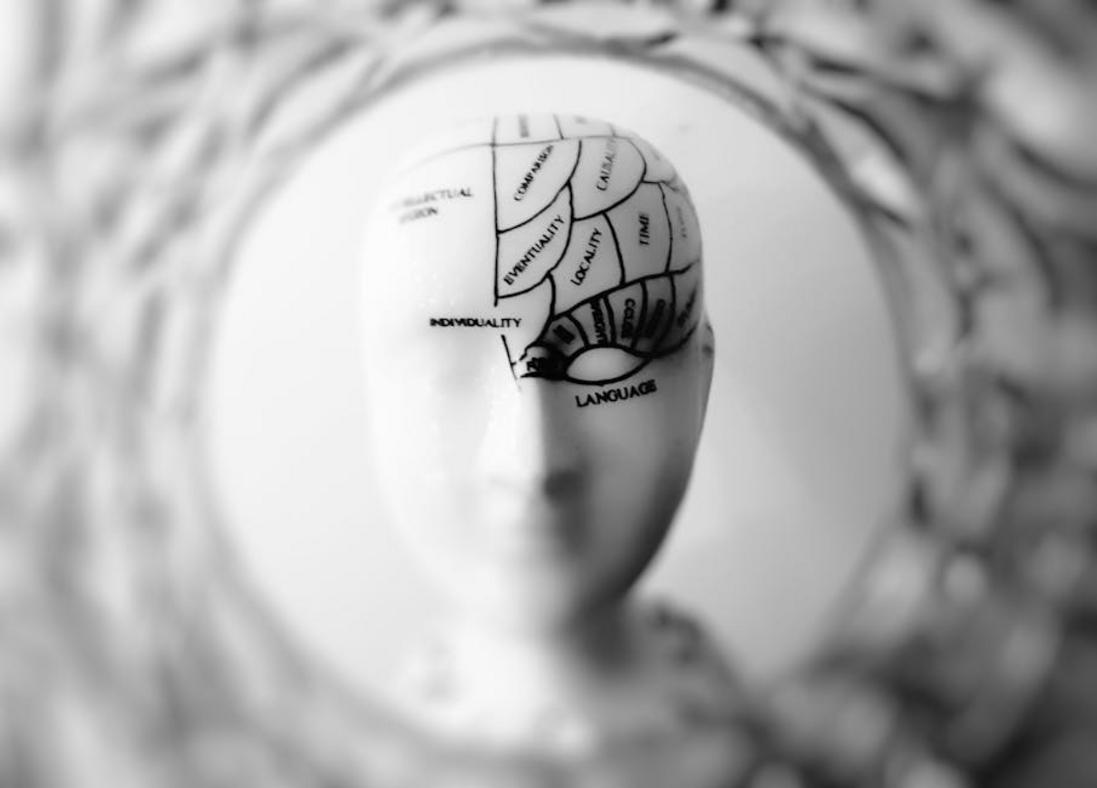
Ever wonder why starting a new routine feels like pushing a boulder uphill—while slipping back into old habits happens almost automatically?
Here’s a simple way to see it.
Old habits are like four-lane highways in your brain. They’re smooth, fast, and energy-efficient. New habits? They’re more like hacking through a dense forest with a tiny machete. Slow. Frustrating. Easy to abandon.
This isn’t laziness. It’s biology.
Neural pathways are connections between brain cells that strengthen with repetition. The more you repeat a behavior, the thicker and faster that pathway becomes. According to research published in Neuron, repeated behaviors increase synaptic efficiency, making actions more automatic over time (Graybiel, 2008).
The Brain’s Habit Center vs. The Thinking Brain
The basal ganglia—often called the brain’s “habit center”—stores and runs these automatic routines. Once a behavior becomes habitual, it requires minimal conscious effort.
In contrast, the prefrontal cortex is your “thinking brain.” It handles decision-making, planning, and willpower. However, studies show willpower draws on limited cognitive resources (Baumeister et al., 1998). When you’re tired, stressed, or overwhelmed—hello, parenting—the prefrontal cortex fatigues.
And when that happens?
The brain defaults to the energy-saving highway.
Some argue that discipline alone should override old habits. But neuroscience of routines shows otherwise: stress hormones like cortisol reduce prefrontal cortex activity, making deliberate change harder (Arnsten, 2009).
In other words, when you’re exhausted, your brain chooses efficiency over intention.
Understanding this doesn’t excuse inaction—but it does explain why change feels like “brain concrete.” And once you grasp that, you can approach growth with more strategy—and curiosity. (Which is exactly why exploring why curiosity is essential for lifelong learning matters so much.)
A Practical Guide to Rewiring Your Family’s Habits
Think of yourself as a habit detective, not a disciplinarian. Instead of asking, “How do I stop this behavior?” ask, “What’s driving it?” That shift alone changes everything.
First, isolate the cue. A cue is the trigger that tells the brain to start a behavior. Don’t just zoom in on the meltdown or sibling argument (that’s the routine). Ask: When does it happen? Where? Who is around? What happens right before it? For example, you might notice the cue for sibling fights is boredom right before dinner. In other words, the fight isn’t the real problem—boredom is.
Next, redesign the routine. Here’s where many parents get stuck. The neuroscience of routines shows that habits follow a loop: cue, routine, reward. You don’t need to eliminate the cue or the reward. Instead, swap the routine. If the cue is pre-dinner boredom, the new routine could be a “special helper” task, a 10-minute puzzle, or setting the table together (yes, even if it’s not perfect). Same cue. Better behavior.
Finally, reinforce the reward. Rewards must be immediate and satisfying. That might be specific praise: “I love how you two are working together!” It could be connection, laughter, or a visible sense of accomplishment. The brain learns fast when the payoff feels good.
Pro tip: Name the pattern out loud—“Looks like it’s that before-dinner wiggle time”—so your kids start spotting cues too (tiny Sherlock Holmeses in training).
Tantrums rarely appear out of nowhere. Have you ever noticed how quickly frustration turns into a full meltdown? First, identify the cue: your child feels angry. Next comes the old routine: yelling, hitting, collapsing on the floor. However, what if you swapped it? Create a calm-down corner or teach dragon breaths—slow inhales and fiery exhales. According to neuroscience of routines, repeated actions wire the brain for automatic responses. Over time, the new routine sticks. And the reward? Regained control, your praise, a tight hug. Sound simple? With consistency, teamwork replaces chaos. Isn’t that the habit loop in action for families?
Building a Better Family Blueprint, One Small Step at a Time
You are not stuck with the frustrating patterns that play out in your home. When you understand your brain’s wiring, you gain the power to reshape it. The exhaustion from constant yelling, rushing, or nagging isn’t a personal failure—it’s a loop running on autopilot.
The good news? The neuroscience of routines shows that every habit follows a Cue–Routine–Reward cycle. When you work with that system instead of fighting it, real change becomes possible.
This week, choose one small, recurring family challenge. Identify its cue, routine, and reward—and take the first step toward a calmer, more connected home.